PRP vs. Hair Transplant: Which One is Right for You?
Home / Smart PRP® / PRP vs. Hair Transplant: Which One is Right for You?
Updated On : March 31, 2026 | Category : Smart PRP® | Author: Beverly Hills Hair Restoration Team
Quick Take
- The most suitable treatment depends on the individual's hair loss pattern, follicle condition, and long-term restoration goals, which a specialist can assess during a consultation.
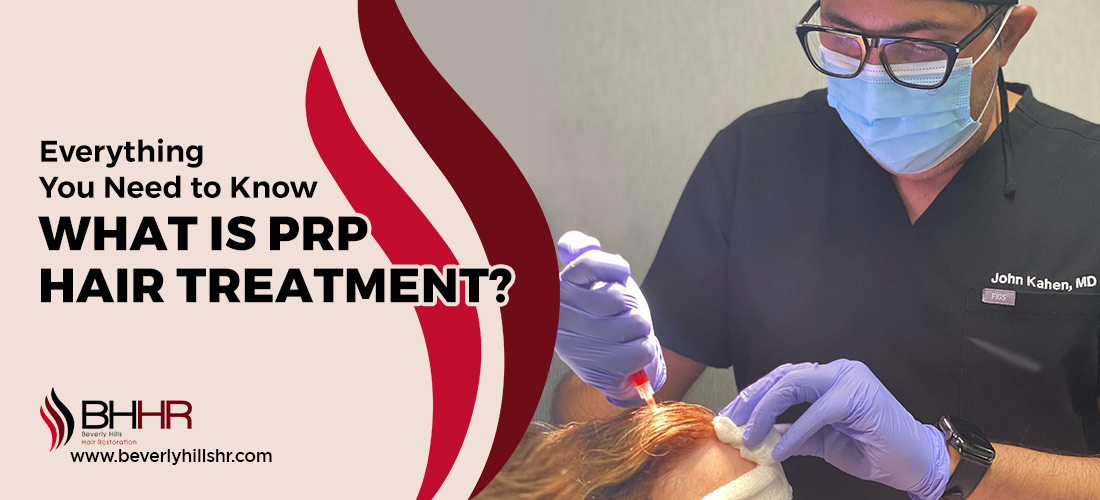
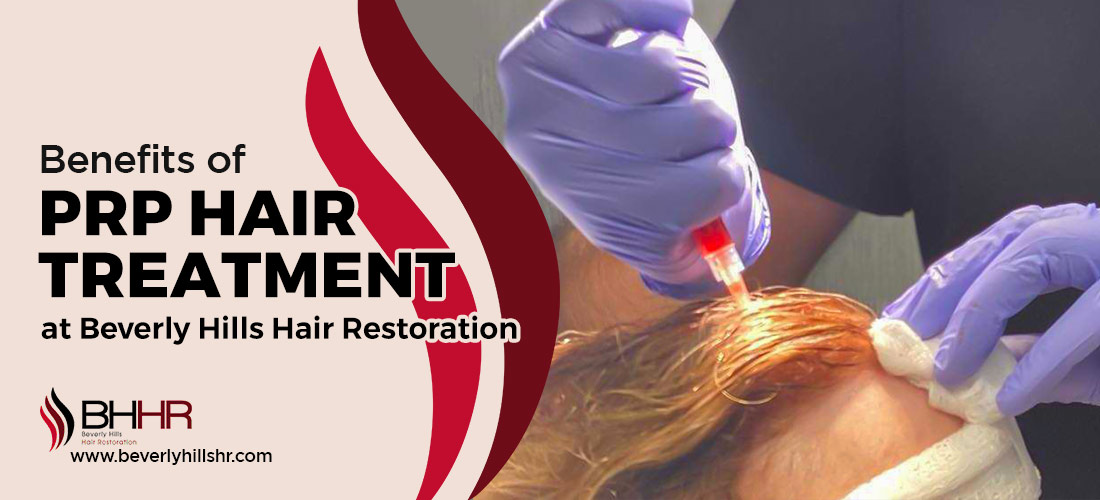
- PRP (Platelet-Rich Plasma) is a non-surgical treatment that uses growth factors from your own blood to stimulate weakened hair follicles and support natural hair growth.
- A hair transplant is a surgical procedure that permanently restores hair by relocating healthy follicles from a donor area to thinning or bald regions of the scalp.
- PRP is generally recommended in the early stages of hair thinning, when follicles are still active but producing thinner or weaker hair strands.
- A hair transplant is typically considered when hair loss has advanced and certain areas of the scalp are no longer producing hair on their own.
Introduction
Hair loss is a common concern that can lead to thinning hair, receding hairlines, or noticeable bald areas over time. As these changes become more visible, many people begin looking for effective treatments to restore fuller, healthier-looking hair. Today, some treatments focus on stimulating weakened hair follicles to encourage natural growth, while others restore hair by relocating healthy follicles to thinning areas.
Because these approaches work in different ways, the right choice often depends on the stage of hair loss and individual hair goals. Understanding how each treatment works and what results to expect can help you make a more informed decision about the most suitable hair restoration option.
Understanding Hair Loss
Hair loss is a common condition that affects both men and women, often starting with gradual thinning or a receding hairline. Genetics, hormonal changes, stress, aging, and certain health conditions can weaken hair follicles and slow down natural hair growth. As the condition progresses, people may begin searching for effective treatments such as PRP for hair loss or a hair transplant to restore fuller hair.
Understanding the stage of hair loss is important when comparing PRP vs. Hair Transplant treatments. In early stages, therapies that stimulate weakened follicles may help improve hair thickness and slow down further shedding. Many people also ask does PRP work for hair loss, especially when noticing thinning hair. In more advanced cases where hair follicles stop producing hair, a hair transplant may be recommended to restore hair in bald areas.
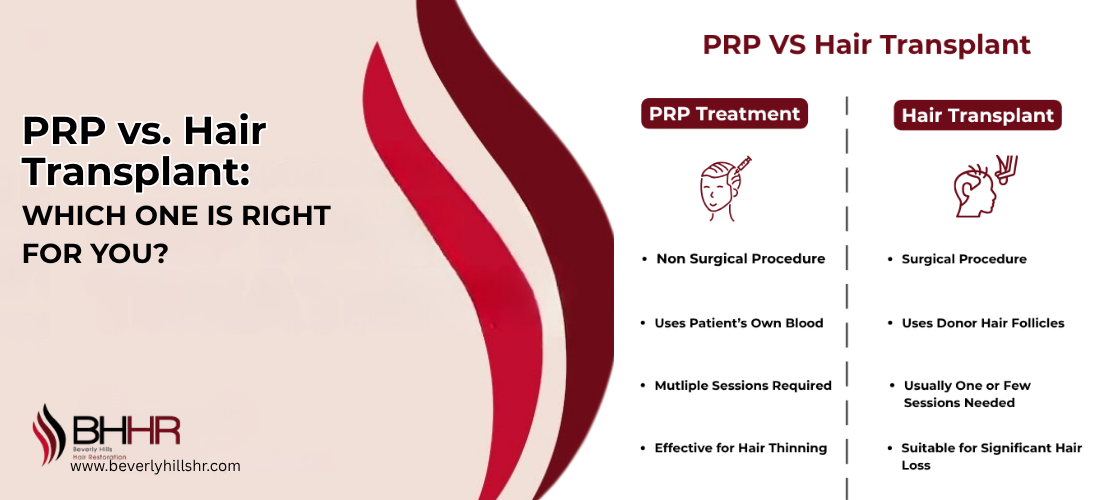
PRP vs Hair Transplant Quick Comparison
Both Smart PRP therapy and hair transplant solutions are popular treatments for hair loss, but they work in very different ways. Understanding how they compare in different terms can help you decide which option may be more suitable for your hair restoration goals.
|
Factors |
PRP for Hair Loss |
Hair Transplant |
|
Treatment Process |
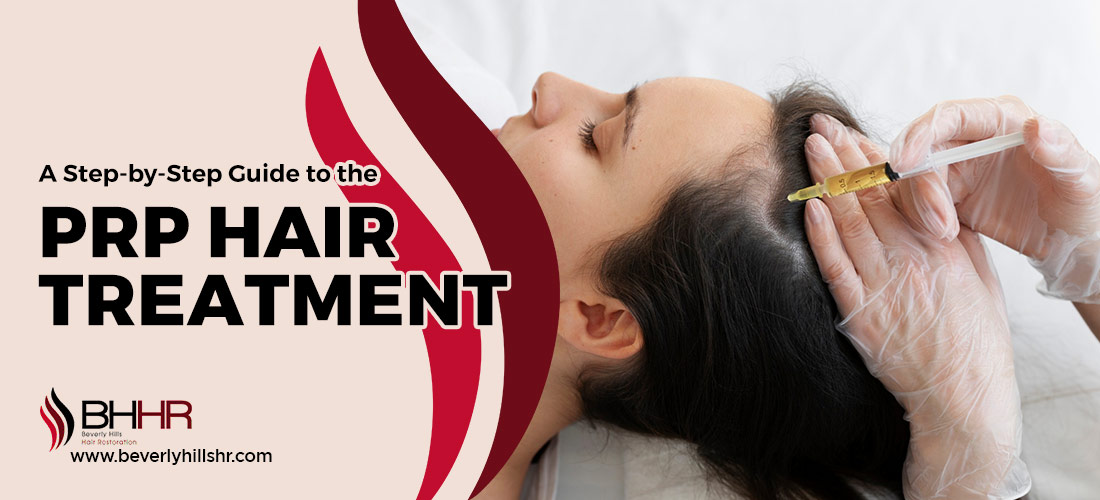
PRP involves drawing a small amount of your blood, processing it to concentrate the platelets, and injecting the plasma into the scalp to stimulate hair follicles. |
A hair transplant involves moving healthy hair follicles from a donor area (usually the back of the scalp) to areas experiencing hair thinning or baldness. |
|
Results and Effectiveness |
PRP helps strengthen existing hair follicles and may improve hair thickness and growth in early stages of hair loss. |
Hair transplants provide visible and permanent hair restoration by implanting real hair follicles into bald areas. |
|
Recovery Time |
Minimal downtime. Most people can return to normal activities within a day. |
Recovery usually takes several days to a week, depending on the technique used. |
|
Cost Comparison |
Generally lower per session, but multiple sessions are often needed to maintain results. |
Higher upfront cost, but it is typically a one-time surgical procedure. |
|
Long-Term Results |
Results may require ongoing maintenance sessions to sustain hair growth. |
Transplanted hair follicles are typically permanent and continue to grow naturally. |
|
Pros |
Non-surgical treatment, minimal downtime, natural stimulation of hair growth, suitable for early hair thinning. |
Permanent solution for bald areas, natural-looking hair growth, long-lasting results. |
|
Cons |
Results may vary, requiring multiple sessions, less effective for advanced baldness. |
Surgical procedure, higher cost, short recovery period required. |
When Dr. John Kahen Recommends Smart PRP and Hair Transplant For Better Results
Choosing the right hair restoration treatment often depends on the stage of hair loss and the condition of the hair follicles. In many cases, specialists evaluate factors such as hair density, thinning pattern, and long-term goals before recommending a treatment plan.
When Doctor Recommend Smart PRP
Smart PRP treatment is commonly suggested when hair follicles are still active but weakened. It may help stimulate natural hair growth, strengthen existing hair, and improve overall scalp health. Doctors often recommend this option for:
- Early hair thinning, when hair loss has started but follicles are still producing hair
- Hair strengthening, to improve thickness and reduce ongoing shedding
- Post-transplant support, helping transplanted follicles heal and grow more effectively
When Hair Transplant Is the Better Option
A hair transplant, on the other hand, is usually recommended when hair loss becomes more advanced and certain areas no longer produce hair. This procedure restores hair by relocating healthy follicles to thinning or bald areas. It is typically considered for:
- Bald patches where hair growth has stopped
- A receding hairline that continues to progress over time
- Patients looking for a long-term or permanent hair restoration solution
In some cases, combining both treatments can support stronger hair growth and improve overall results.
Conclusion
Both treatments can help address hair loss, but the best choice depends on the stage of thinning and the condition of your hair follicles. When comparing PRP vs. Hair Transplant, PRP is often recommended for early hair thinning to support natural hair growth, while a hair transplant may be more suitable for restoring hair in areas with noticeable baldness.
If you are considering Smart PRP for hair loss and wondering does PRP work for hair loss, the most effective step is to get a professional evaluation. At Beverly Hills Hair Restoration, our specialists assess your hair loss pattern and recommend the most suitable treatment for natural, long-lasting results. Book your free consultation today to explore the best hair restoration option for you.
FAQs
Can PRP and Hair Transplant Be Combined?
Yes, Smart PRP and hair transplant treatments can be combined. PRP is often used before or after a transplant to support healing, strengthen follicles, and improve overall hair growth results.
Can we try PRP before a hair transplant?
Yes, PRP can often be tried before a hair transplant, especially in the early stages of hair thinning. It may help strengthen existing hair follicles and improve hair growth, and if hair loss continues to progress, a hair transplant can still be considered later.
Does PRP regrow hair permanently?
PRP can help stimulate hair growth and improve hair thickness, but the results are not usually permanent. Maintenance sessions are often needed to support continued hair growth and maintain the results over time.
Is PRP 100% safe?
PRP is generally considered a safe treatment because it uses your own blood to stimulate hair follicles. However, like any medical procedure, results and experiences may vary, so it should always be performed by a qualified specialist.