Is a Hair Transplant Right for Me? Signs You May Be a Good Candidate
Home / Hair Transplant / Is a Hair Transplant Right for Me? Signs You May Be a Good Candidate
Posted On : June 08, 2026 | Category : Hair Transplant | Author: Beverly Hills Hair Restoration Team
Summary
- Hair transplant candidacy depends on more than just hair loss.
- Learn the key signs of hair transplant eligibility.
- Healthy donor hair and stable hair loss are important for good results.
- Hair transplant suitability varies from person to person.
- A specialist consultation is the best way to confirm if a hair transplant is right for you.
Introduction
Imagine looking in the mirror and noticing your hairline slowly moving back or seeing more scalp than hair each day. For many people, hair loss is more than a cosmetic concern; it can affect confidence, self-image, and the way they feel in everyday life. While a hair transplant can help restore fuller-looking hair, the success of the procedure depends on several important factors.
Hair loss can happen for different reasons, and every person’s situation is unique. Some may have enough healthy donor hair for transplantation, while others may need a different approach before considering surgery. That is why understanding your hair loss pattern, scalp health, and long-term goals is an important first step.
In this guide, you’ll learn the key signs of a good hair transplant candidate, the factors considered during a consultation, and how to determine whether a hair transplant may be the right solution for your hair loss concerns.
What Makes You a Good Candidate for a Hair Transplant?
To be a good hair transplant candidate, you need noticeable hair loss, enough healthy donor hair, stable hair thinning, good overall health, and realistic expectations about the final results.
Evaluate your candidacy against these key factors:
Noticeable Hair Loss: You may be a suitable candidate if you have a receding hairline, thinning areas, bald spots, or permanent hair loss that has not improved with non-surgical treatments.
Stable Hair Loss Pattern: The best results are usually seen when hair loss is predictable or has slowed down. If hair loss is still progressing quickly, your specialist may recommend treatment before surgery.
Adequate Donor Hair: A hair transplant uses your own hair follicles, usually from the back or sides of the scalp. Having enough healthy donor hair is important for natural-looking coverage.
Good Scalp and General Health: Your scalp condition, healing ability, and overall health can affect the success of the procedure and recovery process.
Realistic Expectations: A hair transplant can improve hair density and restore a fuller appearance, but it cannot create unlimited new hair. The goal is a natural-looking improvement based on your donor supply and hair loss pattern.
A consultation with a qualified hair restoration specialist is the best way to confirm whether a hair transplant is right for your needs and long-term goals.
Signs You Need a Hair Transplant
Hair loss affects everyone differently. Some people notice gradual thinning, while others develop visible areas of reduced hair density. If your hair loss has progressed despite treatment or is affecting the way your hairline and scalp look, it may be time to consider whether a hair transplant is the right option.
You Have Noticeable Bald Areas
Visible bald patches or significant thinning can be a strong sign that you may benefit from a hair transplant. When hair no longer grows adequately in specific areas, surgical hair restoration may help redistribute healthy donor hair to improve coverage and create a fuller appearance.
Your Hairline Is Receding
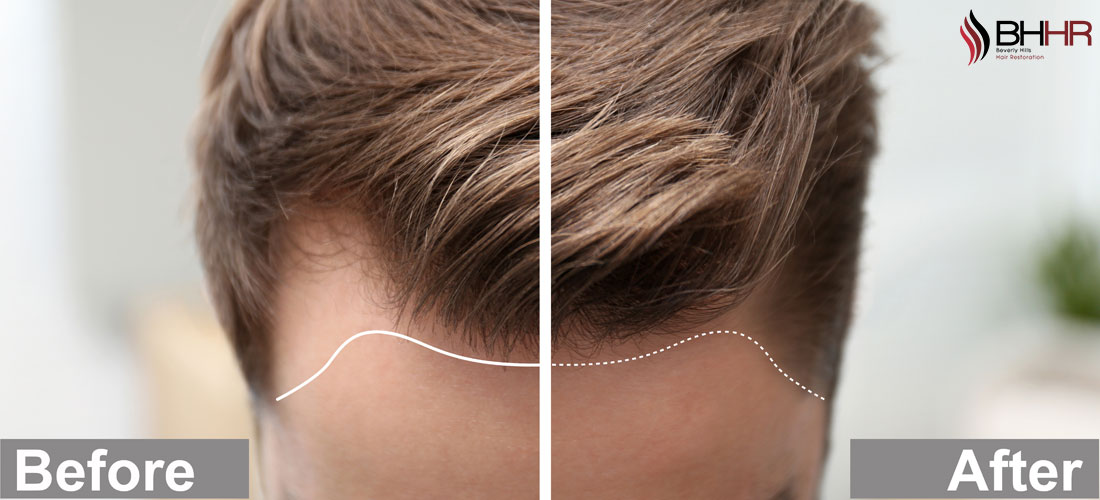
A receding hairline is one of the most common reasons people seek a hair transplant. As the temples move backward and the frontal hairline changes shape, the face can appear older than intended. A hair transplant may help restore a more balanced and natural-looking hairline.
You Have Thinning or Baldness Around the Crown
Crown hair loss often develops gradually and may become more noticeable over time. If you see increased scalp visibility around the vertex area, a hair transplant may help improve density and blend thinning areas with surrounding hair for a more uniform look.
Hair Loss Products or Medications Are No Longer Giving Visible Results
Hair loss treatments can help some individuals maintain existing hair, but they may not work equally well for everyone. If approved medications or hair loss products are no longer providing visible improvement, a hair transplant consultation can help determine whether surgical hair restoration is a suitable next step.
Thinning at the Temples
Temple thinning can significantly affect facial framing and overall hairline appearance. As the temples become sparse, the transition between the hairline and sides of the scalp may appear less defined. A hair transplant can help restore temple density and improve facial balance while maintaining a natural-looking result.
Who May Not Be a Good Candidate for a Hair Transplant?
A hair transplant can be an effective hair restoration solution for many people, but it is not the right choice for everyone. The best candidates typically have stable hair loss, healthy donor hair, and realistic treatment goals. During a hair transplant consultation, doctors evaluate several factors to determine whether surgery is appropriate.
Individuals With Very Early Hair Loss
People in the early stages of hair loss may not always be ideal candidates for a hair transplant. Since hair loss patterns can continue to change over time, doctors may recommend monitoring progression or exploring non-surgical treatments before considering surgery.
Patients With Active Scalp Conditions
Certain scalp conditions can affect healing and hair transplant outcomes. Before moving forward with a procedure, any active inflammation, infection, or scalp disorder may need to be properly evaluated and managed.
People With Insufficient Donor Hair
A successful hair transplant relies on healthy donor hair, usually taken from the back and sides of the scalp. If donor hair density is limited, achieving the desired coverage may be more challenging, and alternative treatment options may be discussed.
Individuals With Unrealistic Expectations
A hair transplant can improve hair density and restore thinning areas, but it cannot recreate the hair volume a person had years earlier in every case. Candidates who understand the procedure's capabilities and limitations are more likely to be satisfied with their results.
How a Hair Restoration Specialist Determines the Best Treatment Plan
Choosing the right hair loss treatment begins with a complete evaluation, not just a quick review of visible thinning. A hair restoration specialist looks at your hair loss pattern, donor hair supply, scalp condition, medical history, age, and long-term goals before recommending the most suitable option. This helps ensure the treatment plan supports both your current concerns and future hair restoration needs.
At Beverly Hills Hair Restoration, Dr. John Kahen takes a personalized approach to every case. Instead of using the same plan for everyone, he carefully reviews each person’s hair density, hairline goals, donor area strength, and overall scalp health. Depending on the evaluation, the plan may include a hair transplant, non-surgical restoration treatments, or a combination of therapies for better long-term results
Conclusion: Is a Hair Transplant Right for You?
A hair transplant can be a strong option for people with visible thinning, a receding hairline, crown hair loss, or bald areas that no longer respond well to non-surgical treatments. However, the right decision depends on more than hair loss alone. Healthy donor hair, stable hair loss, good scalp condition, overall health, and realistic expectations all play an important role in achieving natural-looking results.
Because every hair loss pattern is different, the most reliable way to know if you are a good candidate is through a professional evaluation. At Beverly Hills Hair Restoration, Dr. John Kahen carefully examines your hair, scalp, donor area, and long-term goals before recommending a personalized treatment plan. If you are unsure whether a hair transplant is right for you, scheduling a consultation can help you understand your options and take the next step with confidence.
Faqs
Does Age Matter for Hair Transplant Eligibility?
Yes, age is an important factor in determining hair transplant eligibility. While there is no strict upper age limit, many specialists prefer to evaluate patients after their hair loss pattern becomes more predictable. Younger individuals may still experience ongoing hair loss, making long-term treatment planning more challenging. A consultation helps determine whether the timing is right for a hair transplant.
Will I need more than one hair transplant procedure?
It depends on the extent of your hair loss, your desired level of coverage, and how hair loss progresses over time. Some patients achieve their goals with a single hair transplant, while others may choose an additional procedure later to address further thinning or improve density in specific areas.
Can a hair transplant restore a completely bald scalp?
A hair transplant can improve coverage in many bald areas, but restoring a completely bald scalp depends on the amount and quality of available donor hair. If donor hair is limited, achieving full coverage may not be possible, and a specialist will discuss realistic expectations during the consultation.
How much do 3,000 hair grafts cost in the USA?
The cost of 3,000 hair grafts in the USA typically ranges from $24,000 to $30,000, depending on factors such as the hair transplant technique used, the surgeon's experience, geographic location, and the complexity of the procedure. The exact cost can vary significantly based on your hair loss pattern, donor hair availability, and the level of coverage needed.