Female Pattern and Male Pattern Baldness: Causes, Signs, and Treatment
Home / Hair Transplant / Female Pattern and Male Pattern Baldness: Causes, Signs, and Treatment
Posted On : August 11, 2026 | Category : Hair Transplant | Author: Beverly Hills Hair Restoration Team
Quick Answer
Pattern baldness is a common type of hair loss that occurs when genetics, hormones, and aging influence the natural hair growth cycle. . Men usually notice a receding hairline or thinning at the crown, while women often experience gradual thinning on the top of the scalp. Early identification can help people understand their condition and explore suitable treatment options.
Introduction
Hair loss is a common concern that can affect both men and women. However, the way hair loss appears can be different for each person. Female pattern baldness and male pattern baldness are two common types of hair loss that develop due to genetics, age, and changes in how hair follicles respond to hormones.
Men usually notice signs like a receding hairline or thinning around the crown, while women often experience overall thinning on the top of the scalp. Since these changes can happen slowly, many people may not notice them in the early stages.
Understanding the causes and signs of pattern baldness can help you identify the problem sooner and learn about available treatment options. This guide explains how female and male pattern baldness develop and what steps may help improve hair health.
What Is Pattern Baldness?
Pattern baldness is a common type of hair loss that happens when hair follicles gradually become smaller over time. This process, known as miniaturization, causes hair strands to become thinner, shorter, and weaker until some follicles stop producing visible hair.
The most common cause of pattern baldness is a combination of genetics and sensitivity to a hormone called dihydrotestosterone (DHT). When hair follicles are more sensitive to DHT, they may slowly lose their ability to produce thick, healthy hair.
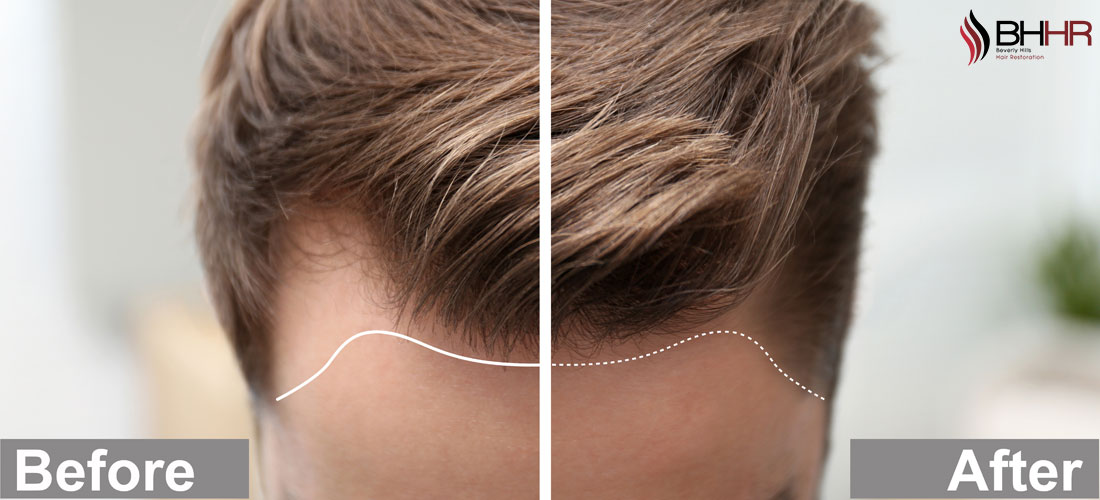
In men, pattern baldness often appears as a receding hairline, thinning at the crown, or hair loss on the top of the scalp. In women, it usually causes overall thinning, especially around the part line and crown area.
Pattern baldness usually develops gradually, and recognizing early signs can help people explore suitable treatment options to address changes in hair density.
Understanding Male and Female Pattern Baldness
Male and female pattern baldness are both forms of genetic hair loss, but they often appear differently. The main difference is the way hair thinning develops and the areas of the scalp that are affected.
Male pattern baldness usually starts with a receding hairline, thinning at the temples, or reduced density around the crown. Over time, hair loss may progress across the top of the scalp while the sides and back often remain less affected.
Female pattern baldness typically causes gradual thinning across the top of the scalp, especially around the part line and crown. Unlike men, women usually do not develop a receding hairline, but they may notice wider parting or reduced overall hair volume.
Both conditions are primarily influenced by genetics, age, and hormonal factors. Understanding the differences can help individuals recognize changes early and discuss suitable treatment options with a qualified provider.
Female Pattern vs Male Pattern Baldness: Key Comparison
Although female and male pattern baldness happen due to similar factors like genetics and hormone sensitivity, they affect hair in different ways. Understanding these differences can help identify the type of hair loss and the right approach for managing it.
|
Feature |
Male Pattern Baldness |
Female Pattern Baldness |
|
Common pattern |
Receding hairline, thinning temples, and crown hair loss |
Overall thinning on the top of the scalp, especially around the part line |
|
Hairline changes |
Often includes a noticeable receding hairline |
Usually the front hairline stays intact |
|
Main affected areas |
Temples, crown, and top of the scalp |
Center part, crown, and upper scalp |
|
Progression |
May progress to more noticeable areas of hair loss over time |
Usually causes gradual thinning rather than complete baldness |
|
Common causes |
Genetics, aging, and sensitivity to DHT |
Genetics, aging, hormonal changes, and follicle sensitivity |
Both conditions develop gradually, which is why early attention is important. Noticing changes in hair density, shedding patterns, or scalp visibility can help individuals seek professional guidance and explore suitable treatment options.
Early Signs of Male and Female Pattern Baldness
Pattern baldness usually develops slowly, so the early changes can be easy to overlook. Paying attention to small differences in hair thickness, shedding, and scalp visibility can help identify the condition sooner.
Early signs of male pattern baldness may include:
- A receding hairline, especially around the temples
- Thinning hair near the crown or top of the scalp
- Increased scalp visibility as hair density decreases
- Thinner, finer hair strands replacing thicker strands
Early signs of female pattern baldness may include:
- A wider part line when styling the hair
- Overall thinning on the top of the scalp
- Reduced hair volume or fullness
- More noticeable scalp visibility in certain areas
While some daily hair shedding is normal, consistent thinning or changes in hair growth patterns may indicate pattern baldness. Early evaluation can help determine the cause and explore appropriate treatment options based on individual needs.
What are the Causes of Pattern Baldness?
Pattern baldness develops when genetic, hormonal, and age-related factors affect the normal hair growth cycle. While the exact cause can differ from person to person, several common factors can contribute to gradual hair thinning in both men and women.
Genetics
Genetics is one of the main causes of pattern baldness. If hair loss runs in your family, you may have a higher chance of developing a similar pattern of thinning over time. Inherited factors can influence how sensitive your hair follicles are to certain hormones.
Hormonal Factors
Hormonal changes can influence how hair follicles respond and contribute to pattern hair loss. In men, sensitivity to dihydrotestosterone (DHT) can cause hair follicles to become smaller over time, leading to male pattern baldness. In women, hormonal changes related to pregnancy, menopause, or other conditions may contribute to increased thinning.
Aging
As people age, hair follicles naturally go through changes that can affect hair growth. Follicles may produce thinner strands, slower regrowth, and reduced hair density over time.
Medical and Lifestyle Factors
Certain health conditions, stress, nutritional deficiencies, and some medications may affect hair growth. These factors may not directly cause pattern baldness but can worsen existing thinning or make hair loss more noticeable.
Which Treatment Is Best for Male and Female Pattern Baldness?
The best treatment for male and female pattern baldness depends on the cause, stage of hair loss, and individual hair goals. Since pattern baldness develops differently for each person, a personalized approach can help determine the most suitable option.
Medical Treatments
Certain medications may help slow hair loss progression and support existing hair growth in some individuals. . For men, treatments that target DHT sensitivity may be recommended in some cases. Women may benefit from options that address hormonal influences or support healthier hair growth.
PRP Hair Restoration
Platelet-rich plasma (PRP) therapy uses concentrated platelets from your own blood to support the hair growth cycle. It may help improve hair thickness and support healthier hair growth in weakened follicles, especially in people with early stages of thinning.
Hair Transplantation
For individuals with more advanced hair loss, hair transplantation can be an option. Procedures such as FUE (Follicular Unit Extraction) involve moving healthy hair follicles from a donor area to areas with thinning or reduced density.
Lifestyle and Hair Care Support
Maintaining a balanced diet, managing stress, and following a healthy hair care routine can support overall scalp and hair health.
A professional evaluation is the best way to understand the type of hair loss and choose a treatment plan based on your specific needs.
Why Choose BHHR for Pattern Baldness Treatment?
Choosing the right hair restoration provider is an important step when addressing pattern baldness. At Beverly Hills Hair Restoration, treatment plans are developed based on each patient’s hair loss pattern, goals, and long-term needs.
With over 20 years of experience in hair restoration, Dr. John Kahen, MD, provides a personalized consultation process focused on understanding each patient’s unique hair concerns. He evaluates hair loss progression, scalp health, donor hair quality, facial balance, and natural growth patterns to create a customized treatment plan. Based on this assessment, he may recommend advanced solutions such as FUE hair transplantation, Smart PRP®, or other hair restoration options to support natural-looking results.
BHHR focuses on creating natural-looking results by carefully considering hairline design, follicle placement, and overall hair density. With advanced techniques and a patient-focused approach, the goal is to help individuals address pattern baldness while maintaining a natural appearance throughout the restoration process.
Conclusion: Taking the Right Step for Pattern Hair Loss
Pattern hair loss can affect both men and women, but understanding the causes, early signs, and available treatments can help you make informed decisions about your hair health. Since factors like genetics, hormones, age, and lifestyle can influence hair thinning, the right approach depends on your individual situation.
Early evaluation can help identify the type and stage of hair loss before it progresses further. Options such as Smart PRP®, hair restoration procedures, and supportive hair care approaches may help improve hair appearance and maintain healthier-looking results.
At Beverly Hills Hair Restoration, treatment plans are personalized to match each patient’s hair goals and needs. Schedule a free consultation with an experienced hair restoration provider can help you understand your options. and choose a path that supports natural-looking hair restoration.
FAQS
Is pattern baldness permanent?
Pattern baldness can become permanent as affected hair follicles gradually shrink over time. However, early diagnosis and appropriate treatment may help slow progression and improve hair appearance.
When should I seek treatment for pattern baldness?
It is helpful to seek guidance when you notice ongoing thinning, increased scalp visibility, a changing hairline, or excessive shedding. Early evaluation may provide more treatment options.
How do I know if my hair loss is pattern baldness or another type of hair loss?
Pattern baldness usually follows a predictable thinning pattern, such as a receding hairline in men or widening part lines in women. A professional evaluation can help identify the exact cause.
Can pattern baldness be reversed naturally?
Pattern baldness caused by genetics usually cannot be completely reversed naturally. However, maintaining good nutrition, reducing stress, and following proper hair care habits may support overall hair health.
Can early pattern baldness be stopped?
Early pattern baldness may be managed with appropriate treatment based on the cause and stage of hair loss. Starting evaluation earlier may provide more options for maintaining existing hair.