What to Do Before & After an Eyebrow Transplant for Best Results
Home / Eyebrow Hair Transplant / What to Do Before & After an Eyebrow Transplant for Best Results
Updated On : January 24, 2026 | Category : Eyebrow Hair Transplant | Author: Beverly Hills Hair Restoration Team
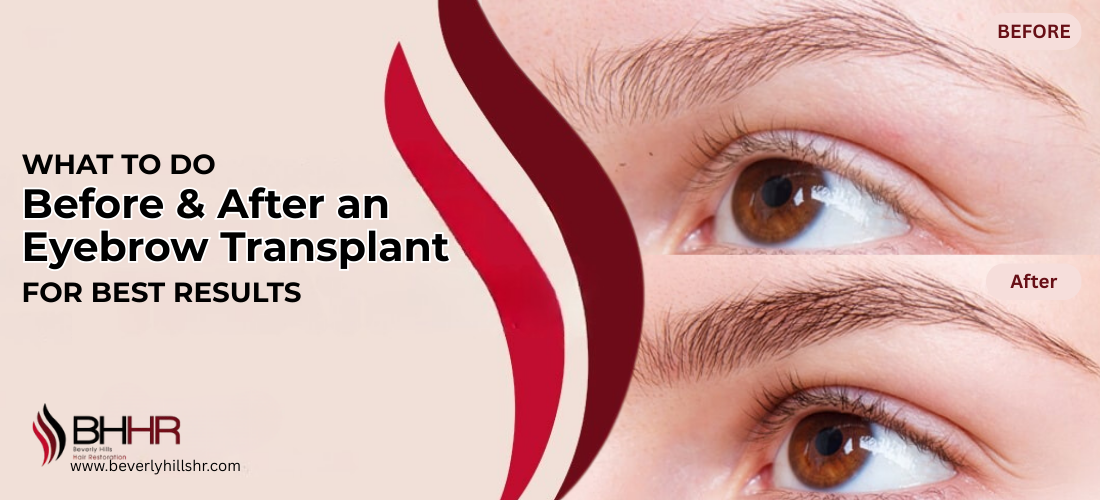
An eyebrow transplant is becoming an increasingly popular solution for people who struggle with thin, patchy, or over-plucked brows. While the procedure itself is important, the real difference in results often comes from proper preparation and aftercare. Understanding Before and After Eyebrow Transplant guidelines allows patients to have realistic expectations, which protects them from potential dangers and promotes optimal hair growth. Ranging from lifestyle changes prior to the procedure to appropriate practices post-operation, everything counts in achieving naturally desirable and permanent eyebrows. This guide explains what you should do before and after the treatment to ensure the best possible outcome and a smooth, confident transformation.
Why Proper Preparation and Aftercare Matter
The success of an Eyebrow Transplant results depends not only on the surgical technique but also on how well you prepare beforehand and care for your brows afterward. Proper preparation helps create a healthy scalp environment, reduces the risk of complications and ensures that the follicles used in transplantation have good hold. Equally important is post-operative care when it comes to handling and caring for the grafts during the healing process and promoting regular growth of the hair.
When patients adhere to the instructions given by doctors, they can achieve better results in Eyebrow Transplant Before and After. Irrespective of the importance of such procedures, ignoring the instructions may result in rejection rates affecting transplant success.
Before Your Eyebrow Transplant: What to Do and Avoid
Proper planning before the procedure plays a major role in achieving smooth Eyebrow Transplant results. Below are simple, step-by-step guidelines to help you prepare effectively.
-
Schedule a Detailed Consultation
You should mention your eyebrow shape, density, and past medical history to your specialist. The assessment of eyebrow transplantation before and after expectations at this stage ensures goal achievability.
-
Stop Smoking and Alcohol Intake
It is best to stay away from smoking and consuming alcohol at least 7-10 days prior to the surgery. This is because smoking as well as alcohol consumption can impair blood flow and can have negative effects on healing and graft survival
-
Avoid Blood-Thinning Medications
Medications such as aspirin, ibuprofen, and certain supplements should be paused (only with your doctor’s approval) to minimize bleeding during the procedure.
-
Keep the Brow Area Clean and Natural
Do not tint, thread, wax, or apply makeup to your eyebrows a few days before treatment. A clean skin surface helps reduce the risk of infection.
-
Maintain a Healthy Lifestyle
Drink plenty of fluids, eat healthy foods, and rest well. A healthy body provides good support for the healing process and gets your skin ready for the hair transplant brows before/after photo.
-
Avoid Skincare Treatments Near the Brows
Chemical peels, laser treatments, or strong exfoliants around the brow area should be avoided at least one week before the procedure to prevent skin sensitivity.
Following these steps ensures your skin and hair follicles are in the best condition, setting a strong foundation for natural-looking, long-lasting eyebrow results.
After Your Eyebrow Transplant: Post-Op Care and Recovery
The recovery phase is just as important as the procedure itself when it comes to achieving optimal After an Eyebrow Transplant. Following the right post-operative steps helps protect the grafts and supports healthy regrowth.
-
Avoid Touching or Rubbing the Brows
In fact, for the first few days, you have to avoid touching, scratching, and rubbing your transplanted area because your follicles are very sensitive and not yet set securely in place.
-
Follow Cleaning Instructions Carefully
Your professional will teach you when and how you can carefully clean the brow area. Keep the surrounding area clean so that infection is avoided without disturbing the grafts.
-
Expect Mild Redness and Scabbing
Some redness, swelling, or small scabs are normal in the initial stages of healing. These generally resolve within one week but may take several weeks to a few months in some individuals and are part of the healing process following an eyebrow transplant.
-
Avoid Makeup and Skincare Products
Do not apply makeup, creams, or oils on the eyebrows until your doctor confirms it’s safe. This prevents irritation and supports proper healing.
-
Limit Physical Activity
Avoid intense exercise, swimming, and sauna use for at least 7–10 days. Excessive sweating can interfere with healing and graft survival.
-
Be Patient with Hair Growth
Initial shedding of transplanted hairs is normal. New growth usually begins after a few months, gradually improving the final Eyebrow Transplant appearance.
By following these step-by-step aftercare instructions, you allow your eyebrows to heal properly and achieve natural, long-lasting results.
What to Expect from Eyebrow Transplant Surgery?
An eyebrow transplant at BHHR is a comfortable, in-office procedure that typically takes 3–5 hours and is performed under local anesthesia. Pain and discomfort are minimal and well managed, allowing most patients to relax, listen to music, or rest during the treatment. With advanced techniques and careful attention to brow shape, angle, and density, BHHR focuses on delivering natural-looking results that blend seamlessly with your facial features and support excellent long-term outcomes.
Who is an ideal candidate for Eyebrow Transplant?
-
People with Thin or Sparse Eyebrows
Individuals who naturally have thin eyebrows or have lost density due to genetics can benefit greatly from the procedure and see balanced After an Eyebrow Transplant results.
-
Those with Over-Plucked or Shaped Brows
Excessive tweezing, waxing, or threading over the years can permanently damage hair follicles. An eyebrow transplant can help restore a fuller, natural brow shape.
-
Patients with Hair Loss from Medical or Skin Conditions
In some cases, hair loss due to burns, trauma, or skin conditions may make the individual eligible, as long as the condition is under control.
-
Individuals in Good Overall Health
Ideal candidates should be generally healthy, with no active infections or uncontrolled medical conditions that could interfere with healing.
A consultation with a qualified specialist is essential to determine candidacy and ensure the procedure aligns with your goals and hair characteristics.
How BHHR Helps You Achieve Great Eyebrow Transplant Results
At BHHR, every eyebrow transplant is approached with precision, planning, and patient-focused care. The whole process starts with consultations aimed at understanding the structure of the face, symmetry of the eyebrows, and the expectations of the client. It ensures that the whole design looks natural and appropriate, especially in relation to Before and After an Eyebrow Transplant.
Beverly Hills Hair Restoration follows advanced techniques that focus on proper graft selection, accurate angle placement, and careful density planning. Equal emphasis is placed on patient education, so you are made to comprehend fully pre-procedure and post-procedure care. This helps us to ensure that your transplants are protected during your time of recovery.
By combining medical expertise, personalized planning, and strict aftercare protocols, BHHR helps patients achieve natural-looking, long-lasting eyebrows with confidence and peace of mind.
Conclusion
Achieving natural and long-lasting results from an eyebrow transplant goes far beyond the procedure itself. Effective planning, realistic expectations, and careful post-procedure care are key factors in the success of any eyebrow transplant journey. From knowing what to do before the procedure to avoiding common mistakes during recovery, every step plays an important role in the final outcome.
With expert supervision and proper aftercare, patients can confidently support healthy hair regrowth and achieve balanced, natural-looking eyebrows. If you’re considering an eyebrow transplant, scheduling a free consultation with a trusted clinic is the first step toward a confident, well-defined transformation.
FAQs
Will an Eyebrow Transplant Improve the Shape of My Brows?
Yes, an eyebrow transplant can enhance brow shape and symmetry, with visible improvements seen in Before & After an Eyebrow Transplant photos as the transplanted hairs grow naturally and blend seamlessly with existing brows.
What Is the Downside of an Eyebrow Transplant?
The main downside is that results take time, as visible changes in Before & After an Eyebrow Transplant outcomes appear gradually, and the procedure requires proper aftercare for optimal healing and growth.
How Painful Is an Eyebrow Transplant?
An eyebrow transplant involves minimal discomfort since local anesthesia is used, and most patients report only mild soreness during recovery, with Before & After an Eyebrow Transplant results improving comfortably over time.
Is there any scarring after an eyebrow transplant?
Scarring is usually minimal and very hard to notice, as modern techniques use tiny incisions that heal well over time. With proper care and an experienced specialist, the treated area blends naturally with the surrounding skin, leaving no visible marks.
What causes eyebrow hair loss that needs a transplant?
Eyebrow hair loss can occur due to over-plucking, genetic factors, aging, physical trauma, or certain medical conditions that affect hair growth. When the hair does not grow back naturally, a transplant can help restore fuller, more defined eyebrows over time.