Hair Transplant for Diffuse Thinning: Does It Work?
Home / Hair Transplant / Hair Transplant for Diffuse Thinning: Does It Work?
Updated On : September 11, 2026 | Category : Hair Transplant | Author: Beverly Hills Hair Restoration Team
Quick Answer
Yes, a hair transplant can work for diffuse thinning, but results depend on the cause of hair loss, donor hair quality, and whether shedding has stabilized. Suitable candidates may gain better scalp coverage when healthy follicles are transplanted into carefully selected thinning areas. However, surgery is not appropriate when diffuse thinning also affects the donor region or remains active. A complete scalp evaluation is necessary to determine whether transplantation or a non-surgical treatment is the better option.
Introduction
Hair loss may develop in several distinct patterns, from a receding hairline to bald spots, but diffuse thinning is one of the most common forms. Unlike localized hair loss, diffuse thinning affects the entire scalp, causing overall thinning and a "see-through" appearance.
In this, we’ll explore what diffuse thinning is, how to recognize it, and the most common causes behind it. We’ll also discuss effective treatments, including hair transplant solutions and other methods, to help stimulate hair growth and restore your hair’s natural thickness and density.
What Is Diffuse Thinning?
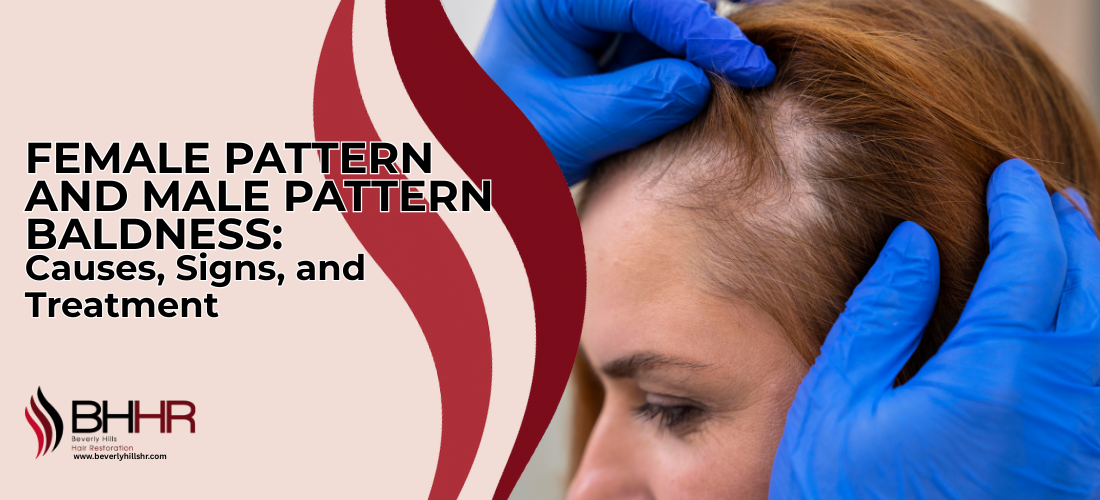
Diffuse thinning is a type of hair loss that equally affects the thinning of hair over the surface of the head. Unlike classic male or female pattern hair loss, which is usually confined to the crown or hairline, diffuse thinning can occur all over the scalp, often leading to an overall lower density and visible appearance of the scalp. It's caused by genetics, hormonal imbalances, stress, or associated underlying diseases.
Diffuse thinning often leads to a gradual reduction in hair volume, making the hair look thinner and less dense. If you’re experiencing diffuse hair loss, it’s important to identify the cause early to determine the best course of treatment. For some, a Diffuse Thinning Hair Transplant may be an ideal solution to restore fullness and improve scalp coverage.
Common Signs or Symptoms of Diffuse Thinning
The main symptom of diffuse thinning is the gradual reduction of hair density all over the scalp. Unlike in the case of the localized type, all areas are involved in diffuse thinning, with uniform thinning seen all over the head. Symptoms generally include:
- Increased scalp visibility: Many times thinning of the hair reveals a more visible scalp-especially along the crowns and part lines.
- Wider part: A noticeable widening of your natural part can signal diffuse hair thinning.
- Reduced volume: Your hair may appear flatter, with less volume overall.
- Shedding: Increased hair shedding, particularly in the shower or while brushing, can also be a symptom of diffuse hair loss.
If you notice any of these signs, it’s essential to consult with a professional to know the cause of your diffuse thinning and explore potential treatment options like diffuse thinning hair transplants.
Causes of Diffuse Thinning
Hair Thinning happens when the normal hair growth cycle gets disrupted, causing more hair to shed at the same time. This leads to noticeable low hair density across the entire scalp instead of a specific pattern.
Telogen Effluvium
Telogen Effluvium is the most common cause of diffuse thinning. It happens when a large number of hair follicles suddenly shift into the resting (telogen) phase, stopping growth and leading to increased shedding.
Hair normally grows in cycles:
-
Anagen (growth phase) – lasts 2–6 years
-
Catagen (transition phase) – growth slows
-
Telogen (resting phase) – hair stops growing
-
Exogen (shedding phase) – hair falls and renews
In this condition, many hairs enter the telogen phase too early, causing visible thinning within months.
Telogen Effluvium Causes
This type of thinning hair loss is usually triggered by:
-
Emotional or physical stress
-
Hormonal changes (pregnancy, thyroid imbalance)
-
Illness, fever, or surgery
-
Nutritional deficiencies (iron, protein)
-
Medications or sudden lifestyle changes
These triggers temporarily disrupt the hair cycle, leading to hair shedding.
Other Causes of Diffuse Thinning
Apart from telogen effluvium, Diffuse Thinning can also result from:
-
Genetic hair loss (Androgenetic Alopecia)
-
Chronic stress and poor lifestyle habits
-
Scalp or inflammatory conditions
-
Rapid weight loss or restrictive diets
Understanding the exact cause of this type of hair loss is essential to choosing the right treatment and preventing further hair loss.
How BHHR Helps Restore Hair from Diffuse Thinning
Treating hair thinning requires a personalized approach based on the root cause and severity of hair loss. At Beverly Hills Hair Restoration, advanced treatments are used to restore density and improve long-term hair growth.
Treatment Options for Hair Thinning Based on Individual Needs
Smart PRP Therapy
Smart PRP is a non-surgical solution for early to moderate diffuse thinning hair. It involves the use of growth factors from your own blood to stimulate weak hair follicles, improve scalp health, and reduce Diffuse Hair Loss.
Hair Transplant for Diffuse Thinning
When it comes to hair shedding, which is classified as an advanced condition, hair transplant solutions could help increase hair density through follicle redistribution from the healthier parts to the thinner areas.
By combining the right diagnosis with targeted treatments, this condition can be effectively managed and reversed in many cases.
Final Thoughts: Diffuse Thinning Hair Loss
Diffuse thinning hair loss can feel challenging, but it’s far from impossible to manage. Understanding the root causes such as hormonal imbalances, chronic stress, or nutritional deficiencies plays a vital role in choosing the right treatment. Whether the issue involves temporary shedding or long-term thinning, a hair transplant can effectively restore hair volume and density in suitable candidates.
At Beverly Hills Hair Restoration, our experienced hair restoration specialists Dr.John Kahen use advanced techniques and personalized treatment plans to help you achieve natural, healthy results. By treating both the cause and the hair loss itself, you can confidently move forward. Book your free consultation today and take the first step toward restoring thicker, healthier hair.
FAQs
Does minoxidil help diffuse thinning?
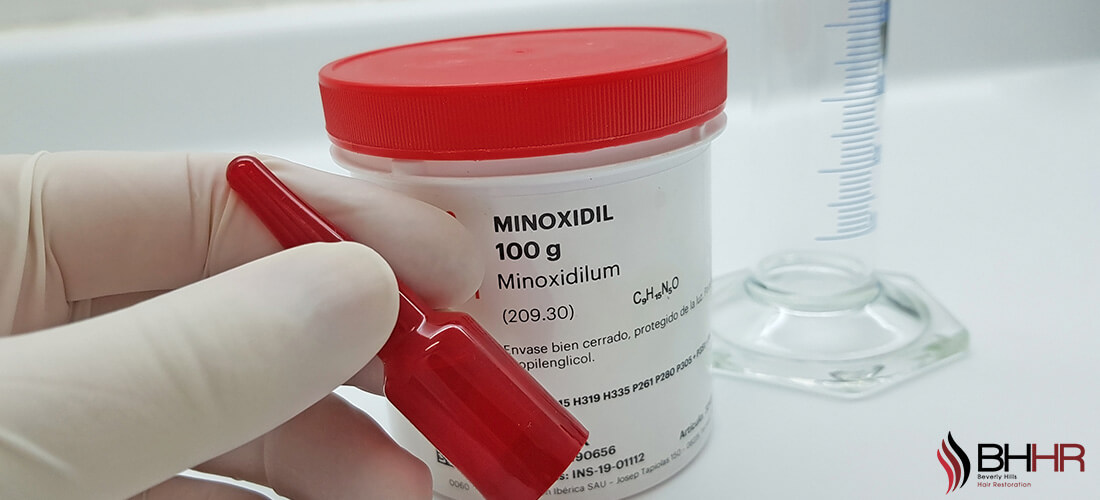
Yes, minoxidil can help with diffuse hair loss by stimulating new hair growth and increasing thickness. In a 12-month study, 84.3% of balding men rated minoxidil as “very effective,” “effective,” or “moderately effective” at promoting hair regrowth.
How to treat diffuse hair loss naturally?
To treat diffuse hair loss naturally, focus on a nutrient-rich diet, manage stress, and use gentle scalp massages to improve circulation. However, consult a professional for effective long-term solutions if necessary.
What are the big 3 for thinning hair?
The "Big 3" for thinning hair typically refer to minoxidil, finasteride, and hair transplants. These treatments are widely used to help reduce hair thinning, promote growth, and restore hair density.
Does Smart PRP treat thinning hair and hair loss?
Yes, Smart PRP hair treatment is a kind of Platelet-rich plasma therapy that can be used to treat thinning hair and hair loss by stimulating hair growth with growth factors present in your blood. It nourishes recovery and strengthens hair follicles, hence improving hair density.